
Obstetrics & Gynaecology
CTG (Cardiotocography) Monitoring in Prayagraj
Cardiotocography to monitor the baby's heartbeat and contractions.
- Dr. Shikha S. Maurya
- OPD 12–2 PM, Mon–Sat
- 24×7 emergency
About CTG
Cardiotocography (CTG) records your baby's heart rate and the contractions of your uterus at the same time. Two soft belts with sensors are placed on your tummy and the readings are printed as a graph that the doctor reviews.
At Shikha Hospital, CTG is used in the late weeks of pregnancy and throughout labour to make sure the baby is coping well, so that any warning signs are picked up early.
When is it needed?
- Reduced baby movements
- Pregnancy beyond the due date
- High blood pressure, diabetes or other high-risk pregnancy
- During labour, including induced labour
- Leaking fluid or bleeding in late pregnancy
How it is done — step by step
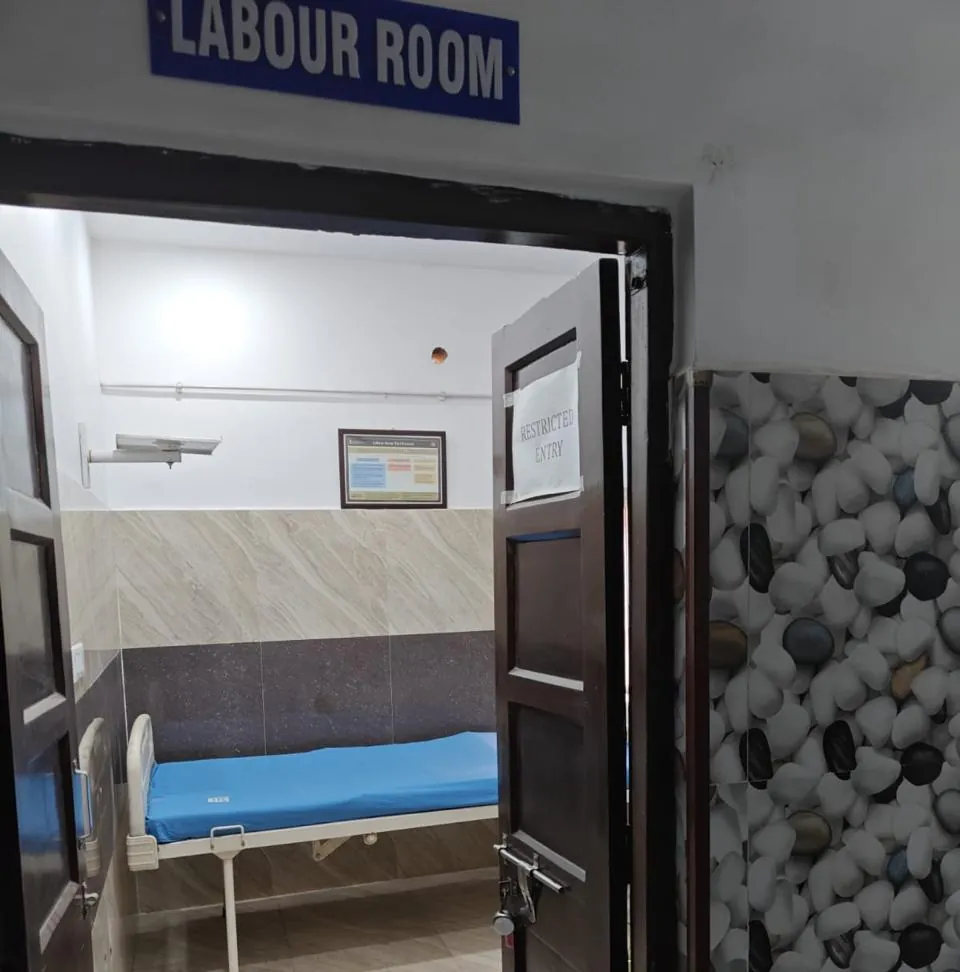
- Getting comfortableYou lie slightly tilted or sit comfortably in the labour room or OPD.
- Placing sensorsOne sensor records the baby's heartbeat and the other records contractions.
- RecordingThe trace usually runs for 20–40 minutes; you may be asked to press a button when the baby moves.
- ReviewThe doctor reads the graph and explains whether everything is normal or more monitoring is needed.
Benefits at Shikha Hospital
- Simple, painless and non-invasive
- Early warning if the baby is under stress
- Helps decide the safest time and mode of delivery
- Continuous monitoring during labour
Frequently asked questions
Yes. It uses harmless ultrasound signals and pressure sensors placed on the outside of the abdomen.
It means the baby's heart rate did not change as expected during the recording, often because the baby was asleep. The test is usually extended or repeated before any decision is made.
No. In fact, having eaten normally can make the baby more active during the test.
This page gives general information only. The right treatment depends on your examination and reports — please consult the doctor.
For Healthy Living
Need a specialist? We are here 24×7.
Book an OPD appointment online in under a minute, or call us any time for emergency and trauma care.