
Obstetrics & Gynaecology
Colposcopy (Cervical Screening) in Prayagraj
Magnified cervix examination for early detection of cervical disease.
- Dr. Shikha S. Maurya
- OPD 12–2 PM, Mon–Sat
- 24×7 emergency
About Colposcopy
Colposcopy is a close, magnified examination of the cervix (the mouth of the uterus) using a special microscope called a colposcope. It is usually advised when a Pap smear or HPV test is abnormal, and it helps detect pre-cancerous changes early — when they are easiest to treat.
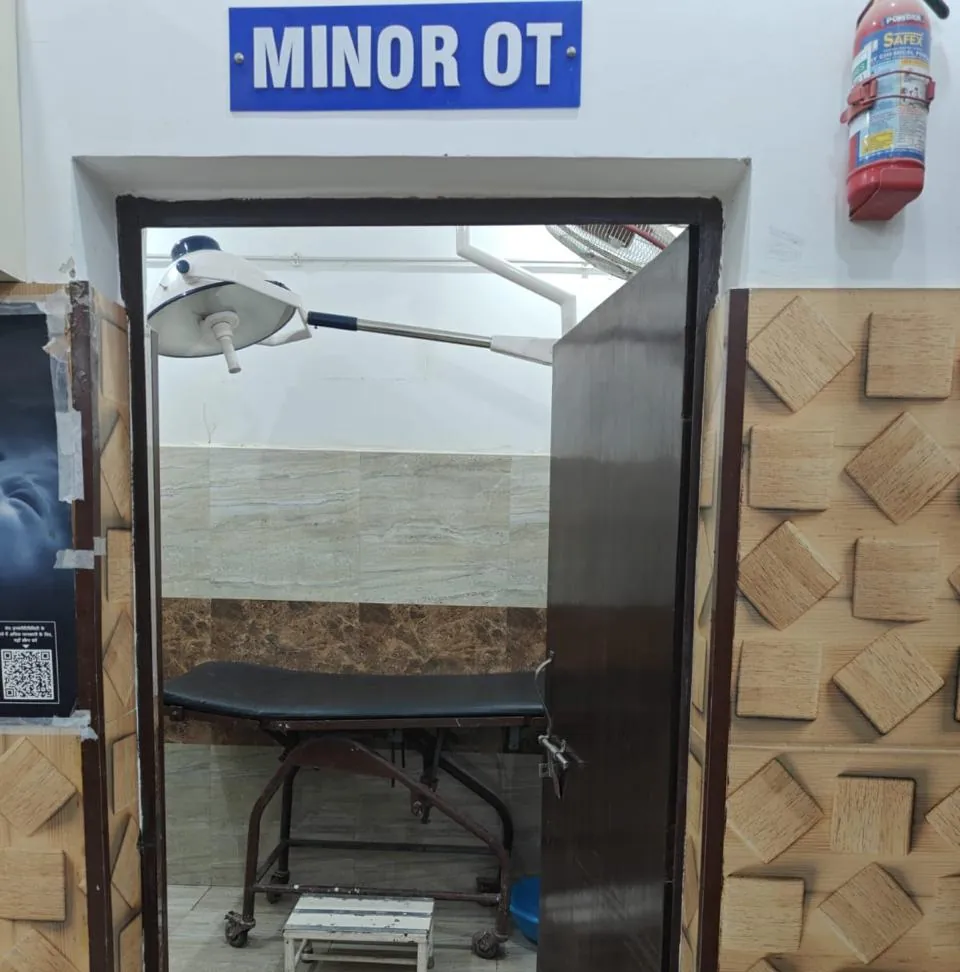
The test is done in the OPD at Shikha Hospital, takes about 15 minutes and does not need anaesthesia.
When is it needed?
- Abnormal Pap smear or positive HPV test
- Bleeding after intercourse
- An abnormal-looking cervix on examination
- Persistent discharge not responding to treatment
- Follow-up after treatment of cervical changes
How it is done — step by step
- PreparationThe test is best done when you are not on your period. Avoid intercourse and vaginal creams for 48 hours before.
- ExaminationA speculum is placed, as in a Pap test, and the cervix is viewed through the colposcope from outside the body.
- Special solutionsMild solutions are applied to highlight abnormal areas; a tiny biopsy may be taken if needed.
- ResultsThe doctor explains the findings; biopsy reports usually take a few days.
Benefits at Shikha Hospital
- Early detection of pre-cancerous changes
- Quick OPD test, no anaesthesia
- Targeted biopsy only where needed
- Peace of mind with clear follow-up
Frequently asked questions
No. Most abnormal Pap smears are due to minor changes or HPV infection that often clear on their own. Colposcopy helps find out which changes need treatment.
It feels similar to a Pap test. If a biopsy is taken you may feel a brief pinch and have light spotting for a day or two.
Generally, women aged 25–65 should have regular cervical screening as advised by their gynaecologist, usually every 3–5 years.
This page gives general information only. The right treatment depends on your examination and reports — please consult the doctor.
For Healthy Living
Need a specialist? We are here 24×7.
Book an OPD appointment online in under a minute, or call us any time for emergency and trauma care.